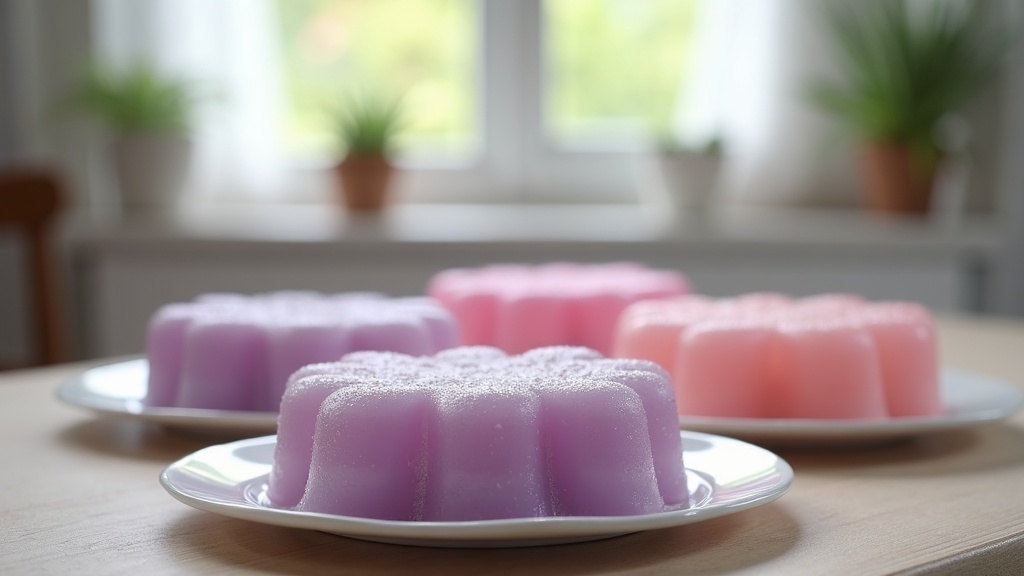
Before coffee, before the rush — a simple cup, a pinch of baking soda e gelatin, and five calm minutes. This is the story behind that ritual.
Mornings change. So does everything underneath. Here’s what’s actually shifting — explained plainly.
Your body's natural collagen production slows over time, and that's exactly why ingredients like baking soda e gelatin get so much attention in kitchen tradition.
The signals that once told you 'that's enough' can get quieter as the years go on. It's not in your head — it's physiology.
Body composition changes gradually, often without any change in the scale number. It's a shift in what you're made of, not just what you weigh.
Most mainstream diet advice was designed decades ago, for bodies and metabolisms that don't quite match what women experience today.
A lot of what circulates online sounds convincing. Not all of it holds up.
Metabolism is fixed once you hit adulthood.
Metabolic rate is influenced by muscle mass, habits, sleep, and hormones — it shifts throughout life, not just once.
Cutting calories is always the answer.
Chronic under-eating can affect energy, mood, and how satisfied you feel after meals — it’s rarely that simple.
Supplements and habits work overnight.
Traditional ingredients like gelatin have been part of daily routines for generations — consistency, not speed, is the pattern.
No complicated protocol. Just a sequence that fits into a normal morning.
A warm cup, a measured pinch of baking soda, stirred until it’s fully dissolved. That’s the whole first step.
Gelatin gets introduced next — often the hydrolyzed kind, which mixes more easily into liquid.
The people who stick with any routine are the ones who stop treating it as a big deal. Five minutes, same time, most days.
Long before wellness trends and supplement aisles, kitchens across generations relied on gelatin — bone broths, slow-cooked stocks, and simple pantry staples like baking soda for digestion and cleaning alike. This wasn’t a trend. It was just how things were done, passed down without much fanfare.
The interesting part isn’t that this is new. It’s that it never really left — it just got quieter as packaged food got louder.
Feeling hungry again shortly after eating can be a sign your saciety signals are working differently than before.
Changes in skin elasticity and hydration often track with the body's natural collagen levels over time.
Some women notice more stiffness getting out of bed — connective tissue changes can play a role here.
Fluctuations that don't match your habits can point to shifts in body composition rather than simple math.
A predictable slump isn't always about sleep — it can reflect how your body is processing meals.
Brittle or slow-growing nails are commonly discussed alongside collagen and protein intake.
Testimonials reflect individual experiences and opinions. Individual results may vary. These statements have not been evaluated by the FDA and are not intended to diagnose, treat, cure, or prevent any disease.
Hydrolyzed gelatin is gelatin that’s been broken down into smaller particles, which allows it to dissolve more easily in liquids compared to standard gelatin.
No. This is an educational overview of a traditional habit involving baking soda e gelatin, not a diet or meal plan.
The content focuses on a simple morning routine — it doesn’t require overhauling your existing diet.
We don’t make timeline claims. Every body responds differently, and consistency matters more than speed.
This is general educational content. Anyone with health conditions or concerns should speak with a healthcare professional first.
Baking soda has a long history in traditional kitchen and household use; the content explores that history, not medical claims.
The video compiles publicly available historical and educational context around these two ingredients and their traditional use.
The full video walks through the routine, the history, and the reasoning — in about ten minutes.
Advertising Disclosure: This page contains sponsored content and affiliate links. We may receive compensation if you make a purchase through links on this site. This helps support the content we produce at no additional cost to you.
Content Disclaimer: The content on this page is for educational and informational purposes only. It is not intended to diagnose, treat, cure, or prevent any disease. Statements have not been evaluated by the FDA. Always consult a qualified healthcare professional before making changes to your diet, routine, or lifestyle.
Results Disclaimer: Individual results may vary. Testimonials and experiences shared on this page are not a guarantee of any specific outcome. What works for one person may not work the same way for another.
© 2026 · All Rights Reserved · /contact/